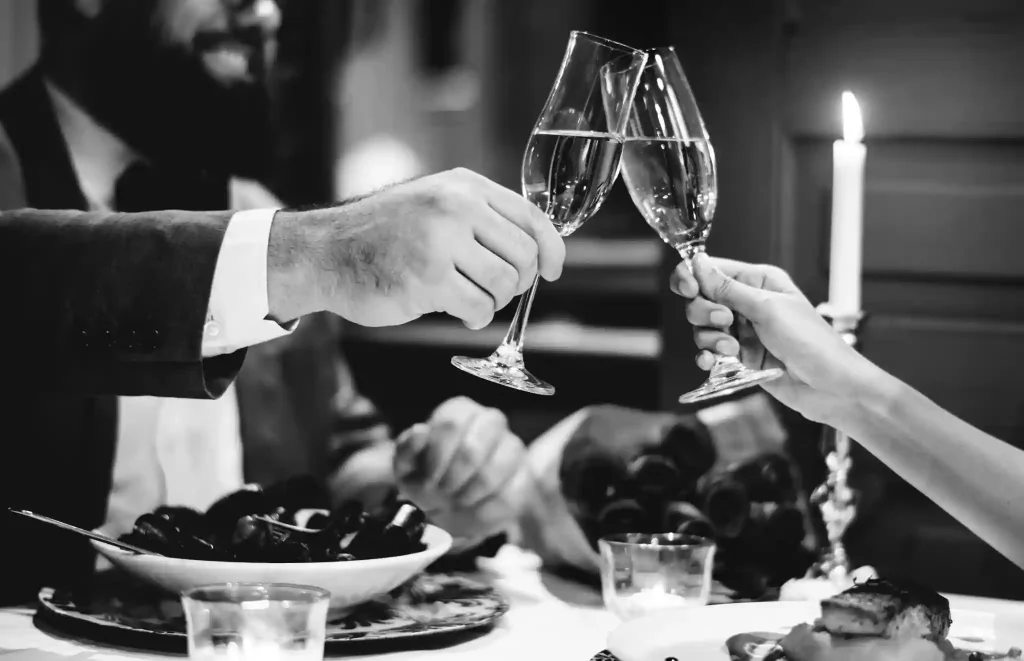
Formal dinners carry a unique sense of elegance and tradition. They are not simply about enjoying a meal. They represent social connection, respect for the host, and an opportunity to demonstrate grace and confidence. Whether the event is a corporate banquet, a wedding reception, a diplomatic dinner, or an upscale restaurant gathering, understanding formal dinner etiquette helps guests navigate the occasion with ease. For many people, the idea of attending a formal dinner can feel intimidating. Multiple utensils, structured seating arrangements, and refined expectations may create uncertainty. Yet the essence of formal dining etiquette is not about perfection. It is about courtesy, awareness, and respect for others at the table. Good etiquette creates a comfortable environment for everyone involved. It signals appreciation for the effort the host has invested in organizing the event. It also reflects personal confidence and social awareness. People who understand proper dining manners often leave positive impressions in both professional and personal settings. In today’s global world, dining etiquette also plays a role in building relationships. Business partnerships are often strengthened over meals. Social connections deepen during elegant dinners. By learning the principles of formal dinner etiquette, guests gain the confidence to participate fully in these meaningful experiences.
What Makes a Dinner “Formal”?
Not every shared meal qualifies as a formal dinner. Formal dining events follow a structure that emphasizes presentation, tradition, and etiquette. These occasions typically involve carefully planned menus, arranged seating, multiple courses, and attention to detail in table settings.
At formal dinners, the atmosphere encourages calm conversation and refined behavior. Guests are expected to demonstrate good manners and respect for the host’s arrangements. Understanding the characteristics of formal dining helps guests prepare for the experience and behave appropriately.
Typical Settings for Formal Dinners
Formal dinners take place in a variety of settings. Corporate events often include formal dinners where executives, partners, and clients gather to discuss ideas or celebrate achievements. Weddings frequently feature elegant receptions with carefully organized seating and dining service.
Diplomatic gatherings and charity galas also follow formal dining traditions. In these settings, etiquette becomes particularly important because participants may represent organizations, institutions, or cultures. Fine dining restaurants provide another environment where formal dining practices are expected. Guests who understand formal dinner etiquette feel comfortable navigating these experiences while appreciating the artistry of the meal.
Why Etiquette Matters More in Formal Settings
Etiquette becomes more visible during formal events because the environment emphasizes respect and structure. Guests’ behavior reflects not only their personal values but also their awareness of social expectations. Proper etiquette helps ensure that the evening flows smoothly. It allows hosts, servers, and guests to interact comfortably without confusion or awkwardness. When everyone follows the same general guidelines, the dining experience becomes more enjoyable for all participants. In professional environments, dining etiquette also contributes to reputation. Business leaders often evaluate partners and colleagues not only by their expertise but also by their social awareness and professionalism.
Preparing Before You Arrive at the Dinner
Successful participation in a formal dinner begins long before the meal starts. Preparation helps guests feel confident and prevents unnecessary stress during the event. Understanding the dress code, arrival expectations, and greeting customs allows guests to begin the evening with poise.
Dressing Appropriately for the Occasion
Formal dinners usually include a dress code that reflects the level of elegance expected at the event. Invitations may specify attire such as black tie, cocktail attire, or business formal. Selecting appropriate clothing demonstrates respect for the host and the occasion. Formal attire should be neat, well-fitted, and polished. Accessories should complement the outfit without appearing overly distracting. Dressing thoughtfully also boosts confidence. When guests feel comfortable with their appearance, they can focus fully on conversation and enjoyment.
Arriving on Time and Greeting the Host
Punctuality is a key element of formal dinner etiquette. Arriving on time shows consideration for the host’s schedule and the other guests. Upon arrival, guests should greet the host warmly and express appreciation for the invitation. A sincere thank you acknowledges the effort involved in organizing the event. If seating arrangements are assigned, guests should locate their place cards and take their seats calmly. This respectful approach helps maintain the smooth flow of the evening.
Understanding Table Setup and Place Settings
Formal dining tables often include multiple utensils, glasses, and plates arranged carefully around each place setting. For guests unfamiliar with these arrangements, the layout may initially appear complicated. However, the design follows a logical pattern intended to guide diners through the meal.
Navigating Multiple Utensils
A common guideline for using utensils is the “outside-in” rule. Utensils placed farthest from the plate are used first, while those closest to the plate are reserved for later courses.
For example, a salad fork may appear on the outer left side, while the main course fork sits closer to the plate. Soup spoons and dessert utensils follow similar patterns. Following this simple rule allows guests to navigate complex place settings without confusion.
Glassware and Plate Arrangement
Formal tables typically include several types of glassware. Water glasses, wine glasses, and sometimes champagne flutes are arranged above the knives. Each glass corresponds to a specific beverage served during the meal. Plates may also be layered, with charger plates placed beneath the main dish for decorative purposes. Understanding these elements enhances appreciation for the artistry of formal dining while helping guests feel more comfortable.
Essential Formal Dinner Etiquette at the Table
Once the meal begins, small details of behavior become particularly noticeable. Good table manners create a calm and pleasant atmosphere.
Proper Napkin Use
Napkins play both a practical and symbolic role in formal dining. After sitting down, guests should gently place the napkin on their lap. It remains there throughout the meal. If a guest leaves the table temporarily, the napkin should be placed neatly on the chair. At the end of the meal, the napkin may be placed loosely beside the plate rather than folded tightly.
Posture and Body Language
Posture communicates confidence and respect. Sitting upright at the table demonstrates attentiveness and good manners. Guests should avoid leaning heavily on the table or slouching in their chairs. Calm and controlled gestures contribute to an atmosphere of refinement.
Eating Pace and Timing
Formal dinners often involve multiple courses served sequentially. Guests should observe the pace of the table and follow the host’s lead. Eating too quickly may make others feel rushed, while eating too slowly may delay the next course. Maintaining a balanced pace ensures that everyone enjoys the meal together.
Dining Manners That Reflect Good Etiquette
Chew quietly and avoid speaking with food in your mouth
Keep elbows off the table while eating
Use utensils correctly and avoid excessive gestures
Pass dishes politely when requested
Thank the host and serving staff respectfully
These habits form the foundation of formal dinner etiquette. They demonstrate consideration for others and contribute to a pleasant dining environment.
Polite Conversation During a Formal Dinner
Conversation is an essential element of formal dining. While the meal itself is important, the social interaction often becomes the highlight of the evening. Thoughtful conversation helps guests connect and build meaningful relationships.
Choosing Appropriate Topics
Safe and engaging topics include travel experiences, cultural events, hobbies, or general interests. These subjects encourage inclusive discussions that allow everyone at the table to participate. Listening attentively is just as important as speaking. Guests who show genuine interest in others create positive and memorable interactions.
Avoiding Sensitive or Controversial Topics
Certain subjects can easily create tension during formal gatherings. Politics, personal criticism, and controversial debates are generally best avoided. The goal of dinner conversation is to create a comfortable and enjoyable atmosphere. Selecting neutral and engaging topics helps maintain that balance.
Handling Common Dining Situations Gracefully
Even the most experienced diners occasionally encounter unexpected situations. What matters most is responding calmly and respectfully.
What to Do If You Make a Dining Mistake
Mistakes are a natural part of any social experience. If a small error occurs, such as using the wrong utensil, the best approach is to remain calm and continue the meal. Drawing attention to the mistake may create unnecessary discomfort. Graceful composure allows the evening to continue smoothly.
Interacting with Servers and Staff
Servers and hospitality staff play an important role in creating a successful dining experience. Guests should treat them with courtesy and appreciation. Simple gestures such as saying “please” and “thank you” reflect respect and kindness.
Conclusion
Formal dinners represent moments of connection, celebration, and shared experience. While the details of etiquette may appear complex at first, the underlying principle is simple: respect for others. By understanding the basics of formal dinner etiquette, guests gain the confidence to participate gracefully in elegant dining occasions. From proper table manners to thoughtful conversation, each small action contributes to the overall atmosphere of the evening. Ultimately, etiquette is not about strict rules. It is about kindness, awareness, and appreciation for the people gathered around the table.