Grilling fish is one of the most delightful culinary experiences. The combination of smoky flavors and the fresh, delicate taste of fish creates a dish that can transport you straight to a seaside paradise. However, preparing fish for the grill requires some knowledge and skill to ensure that the end result is not just edible, but truly extraordinary. Whether you’re a seasoned chef or a curious beginner, mastering the art of grilling fish can elevate your seafood recipes and impress your friends and family.
In this guide, we will delve into the best practices for preparing fish for the grill. From selecting the right fish to mastering grilling techniques, we will cover everything you need to know to create a mouthwatering grilled fish dish that will have everyone asking for seconds.
Choosing the Right Fish for Grilling
Best Types of Fish for the Grill
Not all fish are created equal when it comes to grilling. Some types hold up better on the grill, while others may fall apart or dry out. Fatty fish like salmon, mackerel, and swordfish are excellent choices for grilling due to their rich flavor and firm texture. These fish can withstand high heat without becoming dry and are often enhanced by the smoky flavors of the grill. Lean fish, like cod or tilapia, can also be grilled successfully, but they require a little more care to prevent them from sticking or falling apart.
When choosing fish, look for fillets that are moist and have a fresh, ocean-like smell. If purchasing whole fish, ensure they have clear eyes, bright red gills, and shiny scales. Freshness is key in ensuring the best flavor and texture once grilled.
Fresh vs. Frozen: What to Consider
Fresh fish is generally preferred for grilling, but frozen fish can also yield excellent results when handled properly. If you opt for frozen fish, ensure it is high-quality and has been flash-frozen at sea to preserve its freshness. When thawing frozen fish, do so gradually in the refrigerator rather than using a microwave. This method helps maintain the fish’s texture and flavor, ensuring you have a delicious meal.
If you’re unsure about the freshness of the fish you’re purchasing, don’t hesitate to ask your fishmonger for advice. They can provide insights on the best options available and how to prepare them for grilling.
Essential Tools and Equipment
Grill Types and Their Impact on Cooking
Choosing the right grill is crucial for grilling fish effectively. Gas grills are popular for their convenience and ease of use, while charcoal grills provide a unique smoky flavor that many enthusiasts prefer. Each type has its advantages, but for fish, a grill with a lid is essential for even cooking. A grill basket or fish tray can also be beneficial for preventing delicate fillets from falling apart.
If you’re using a charcoal grill, consider utilizing a two-zone fire setup. This allows for direct heat for searing and indirect heat for cooking through, which is especially helpful for thicker cuts of fish. Understanding your grill and how to manipulate the heat will significantly impact the outcome of your grilled fish.
Must-Have Tools for Grilling Fish
To prepare fish for the grill successfully, certain tools can make your cooking experience smoother and more enjoyable. A good pair of fish spatulas is essential, as they are designed to flip delicate fillets without breaking them. Tongs are also important for maneuvering the fish on the grill. A high-quality meat thermometer will help you monitor the internal temperature, ensuring the fish is cooked perfectly. Finally, investing in a sturdy grill brush for cleaning your grill grates will help prevent sticking, making the cooking process much easier.
Preparing the Fish for the Grill
Cleaning and Gutting Fish Properly
If you’re using whole fish, cleaning and gutting them properly is key. Start by rinsing the fish under cold water to remove any slime or debris. Using a sharp knife, make a cut from the tail to the head along the belly and remove the insides carefully. Rinse the cavity thoroughly to ensure no remnants are left. If you’re unsure about gutting fish, many fishmongers can do this for you, so don’t hesitate to ask.
For fillets, ensure they are well-trimmed and free from any bones. If you’re unsure how to remove bones, consider using a pair of tweezers to pull them out gently. Cleaning your fish properly not only enhances the flavor but also ensures a more enjoyable eating experience.
Marinating vs. Seasoning: What Works Best
Marinating fish can infuse it with incredible flavor while also helping to keep it moist during grilling. However, it’s important to strike a balance. A marinade that is too acidic can break down the fish too much, resulting in a mushy texture. A good rule of thumb is to marinate fish for no longer than 30 minutes to an hour. Use a simple marinade of olive oil, lemon juice, garlic, and herbs to enhance the natural flavors without overpowering them.
If you prefer not to marinate, seasoning is an effective alternative. A sprinkle of salt and pepper, along with fresh herbs, can elevate the dish without the need for a marinade. For those who want a bolder flavor, consider using a dry rub with spices like paprika or cumin. Whatever method you choose, ensure the fish is coated evenly for the best flavor.
Techniques for Grilling Fish
Direct vs. Indirect Heat: When to Use Each Method
Understanding how to utilize direct and indirect heat is crucial for grilling fish successfully. For thicker cuts, like salmon steaks, starting with direct heat helps achieve a nice sear and crispy skin. Once seared, move the fish to a cooler part of the grill to finish cooking through without burning the exterior.
For more delicate fish, such as tilapia or flounder, using indirect heat is often the best approach. Place the fish on the cooler side of the grill, allowing it to cook gently and evenly. This method helps to prevent overcooking and ensures that the fish remains moist and flavorful.
Cooking Times and Temperature Guidelines
Knowing the right cooking times and temperatures can make all the difference in achieving perfectly grilled fish. Most fish should be cooked to an internal temperature of 145°F (63°C). As a general guideline, allow about 8-10 minutes of cooking time per inch of thickness. Thicker cuts will require a longer cooking time, while thinner fillets will cook more quickly.
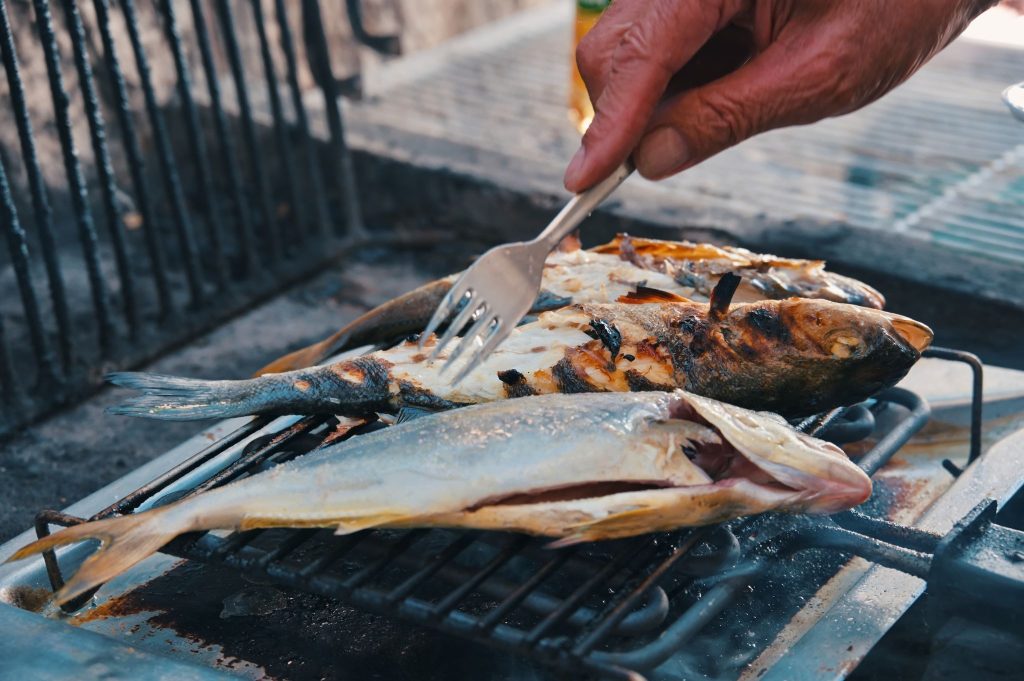
Keep a close eye on the fish while grilling. It’s done when it flakes easily with a fork and has an opaque appearance. Avoid the temptation to flip the fish too soon; give it time to develop a nice crust before turning it over.
Flavor Enhancements for Grilled Fish
Using Herbs and Spices for Maximum Flavor
Fresh herbs and spices can elevate grilled fish to new heights. Consider using dill, parsley, or cilantro to complement the natural flavors of the fish. For a subtle kick, adding a touch of cayenne pepper or chili flakes can provide just the right amount of heat. Incorporating citrus zest, such as lemon or lime, can brighten the dish and enhance its freshness.
Adding Marinades and Rubs: Tips for Success
If you choose to marinate your fish, ensure that you do so in a non-reactive container, such as glass or ceramic. Avoid using metal containers, as they can react with acidic ingredients and alter the flavor of your fish. After marinating, be sure to discard any leftover marinade to prevent contamination.
For dry rubs, mix spices with a bit of olive oil to create a paste that adheres well to the fish. Apply the rub generously and allow it to sit for a few minutes before grilling. This process enhances the flavor and creates a delicious crust as the fish cooks.
Serving Suggestions and Pairings
Ideal Accompaniments for Grilled Fish
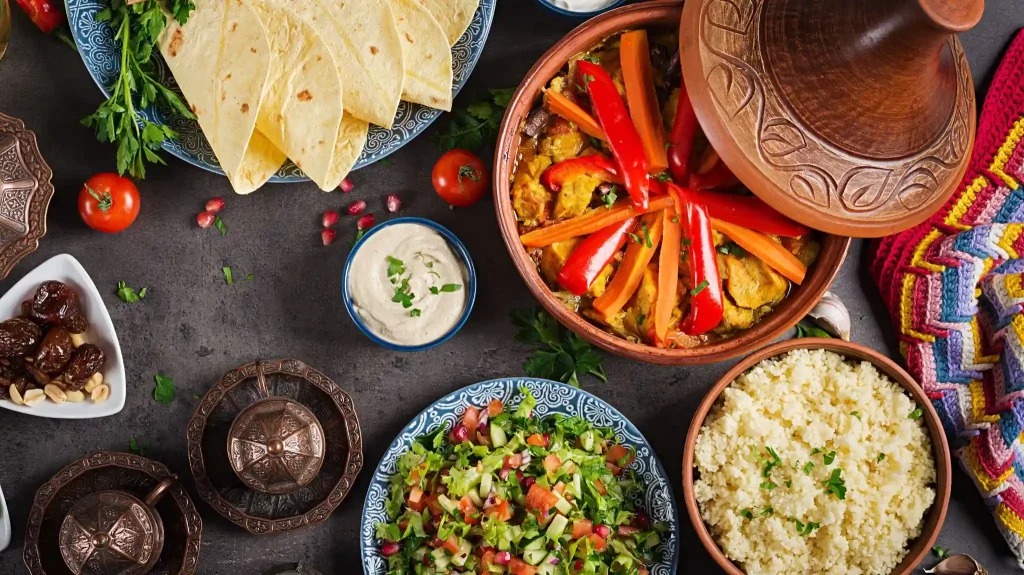
Grilled fish pairs beautifully with a wide variety of sides. Consider serving it with a refreshing salad, grilled vegetables, or a light rice pilaf. The key is to balance the flavors and textures on your plate. A citrusy salsa or a tangy sauce can also enhance the dish and add a burst of freshness.
Wine Pairings to Complement Your Dish
Pairing wine with grilled fish can elevate your dining experience significantly. For rich, fatty fish like salmon, consider a Chardonnay or a light Pinot Noir, which can complement the flavors beautifully. For white fish, a crisp Sauvignon Blanc or a refreshing Rosé can enhance the lightness of the dish. When in doubt, opt for a wine that mirrors the flavors of your seasoning and accompaniments.
FAQs
What types of fish are best for grilling?
Fatty fish such as salmon, mackerel, and swordfish are ideal for grilling due to their rich flavor and firm texture. Lean fish can be grilled but require more attention to prevent drying out.
How long should I marinate fish before grilling?
Marinate fish for no longer than 30 minutes to an hour to enhance flavor without compromising texture.
What is the best way to prevent fish from sticking to the grill?
Ensure the grill grates are clean and well-oiled before placing the fish on them. Consider using a grill basket to keep delicate fish from falling apart.