Restaurant menus are more than a list of dishes, they reflect customer expectations, dining trends, and business strategy. Popular menu items often define a restaurant’s identity, influencing repeat visits and overall profitability. However, the types of dishes that become customer favorites vary significantly depending on the restaurant type. A burger chain prioritizes convenience and familiarity, while a fine dining establishment highlights creativity and exclusivity.
Understanding how menu items differ by restaurant category provides insights for both diners and restaurateurs. For diners, it highlights what to expect at each type of eatery. For business owners, it informs menu planning, marketing, and product innovation. In this article, we’ll explore how popular menu items differ across quick-service, casual, fine dining, ethnic, and café-style restaurants, and what drives their appeal.
Quick-Service and Fast Food Restaurants
Quick-service and fast food restaurants thrive on speed, convenience, and affordability. Customers expect meals that are easy to order, prepared quickly, and consistently satisfying. As a result, their popular menu items tend to be familiar, standardized, and designed for efficiency.
Signature Dishes and Staples
The backbone of any fast food menu includes items like burgers, fries, sandwiches, and combo meals. These staples appeal to a broad audience, offering predictable flavors and satisfying portion sizes. Beverage pairings, such as soft drinks or milkshakes, also drive repeat sales and enhance the dining experience. Chains often rely on these consistent favorites as anchors for marketing campaigns, highlighting items that customers associate with the brand.
Limited-Time Offers and Seasonal Items
Fast food restaurants frequently introduce limited-time menu items to create excitement and encourage repeat visits. Seasonal or promotional offerings, such as specialty burgers, themed desserts, or holiday beverages, capitalize on current trends and consumer curiosity. These items often drive social media engagement, attracting new customers while giving existing patrons a reason to return. By combining familiarity with novelty, quick-service restaurants maintain steady sales while keeping the menu dynamic.
Casual Dining Restaurants
Casual dining establishments focus on creating a relaxed, welcoming environment with moderately priced meals. Popular menu items in these restaurants balance variety and comfort, catering to both families and regular patrons. Unlike fast food, casual dining emphasizes table service, presentation, and a wider selection of dishes.
Core Entrees and Crowd-Pleasers
Core entrees in casual dining restaurants often include pasta dishes, salads, grilled proteins, and specialty sandwiches. These menu items are chosen for their broad appeal, reliability, and ability to satisfy diverse tastes. Popular dishes are usually consistent crowd-pleasers that customers can return to repeatedly without disappointment. Menu planning focuses on balancing traditional favorites with seasonal specials to keep offerings fresh while retaining reliable revenue streams.
Desserts and Specialty Drinks
Desserts and specialty drinks are strategic menu items in casual dining. Signature desserts, like cheesecakes or molten chocolate cakes, often become customer favorites. Similarly, craft beverages such as specialty cocktails, mocktails, or artisanal lemonades enhance the overall dining experience. These items not only add to the average check size but also strengthen brand identity, as diners remember unique treats or drinks that differentiate the restaurant from competitors.
Fine Dining and Upscale Restaurants
Fine dining establishments prioritize quality, presentation, and a curated dining experience. Here, menu items reflect culinary artistry, seasonal ingredients, and a carefully crafted experience. Popular dishes in this setting often highlight creativity, exclusivity, and chef expertise rather than broad appeal.
Chef Specials and Tasting Menus
Fine dining restaurants frequently showcase signature dishes or seasonal specials as their most popular items. Chef-curated tasting menus allow diners to experience multiple courses and flavors, often telling a story through presentation and technique. These menu items attract food enthusiasts and critics, enhancing the restaurant’s reputation. In this environment, popularity is driven less by familiarity and more by culinary innovation, visual appeal, and the ability to provide a memorable dining experience.
Beverage Pairings and Wine Selection
Beverage pairings play a critical role in fine dining. Carefully selected wines or specialty drinks complement the flavors of the menu, elevating the overall experience. Popular pairings, often recommended by the sommelier, become an integral part of the meal. Upscale restaurants invest in creating beverage lists that enhance dishes, support margins, and contribute to a memorable experience, which in turn reinforces customer loyalty.
Ethnic and Specialty Restaurants
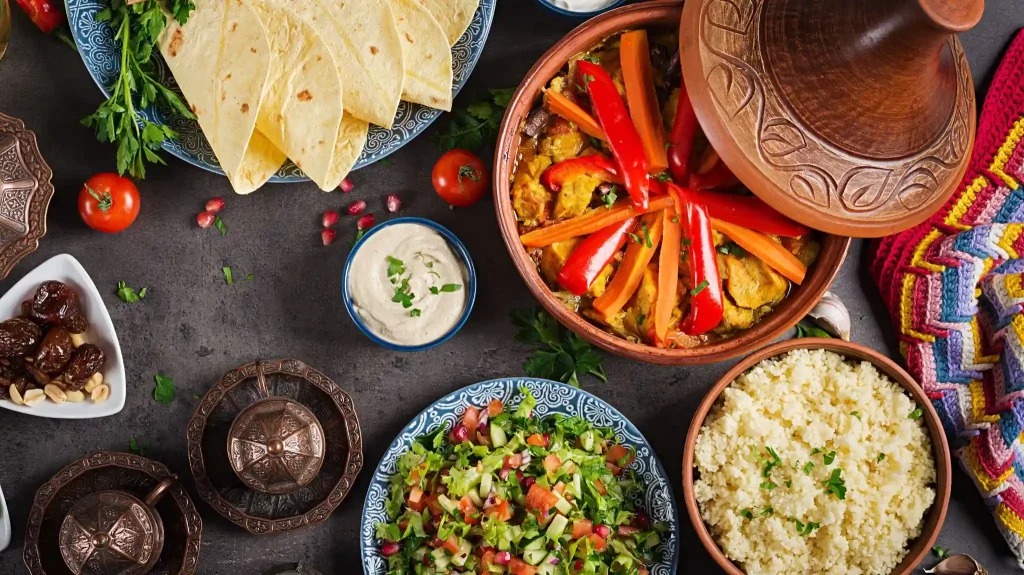
Ethnic and specialty restaurants focus on cultural authenticity, showcasing traditional flavors or niche culinary styles. Menu items reflect regional tastes, heritage, and preparation techniques. Popular dishes often serve as the restaurant’s signature offerings while appealing to both local patrons and tourists seeking authentic experiences.
Staple Dishes and Regional Favorites
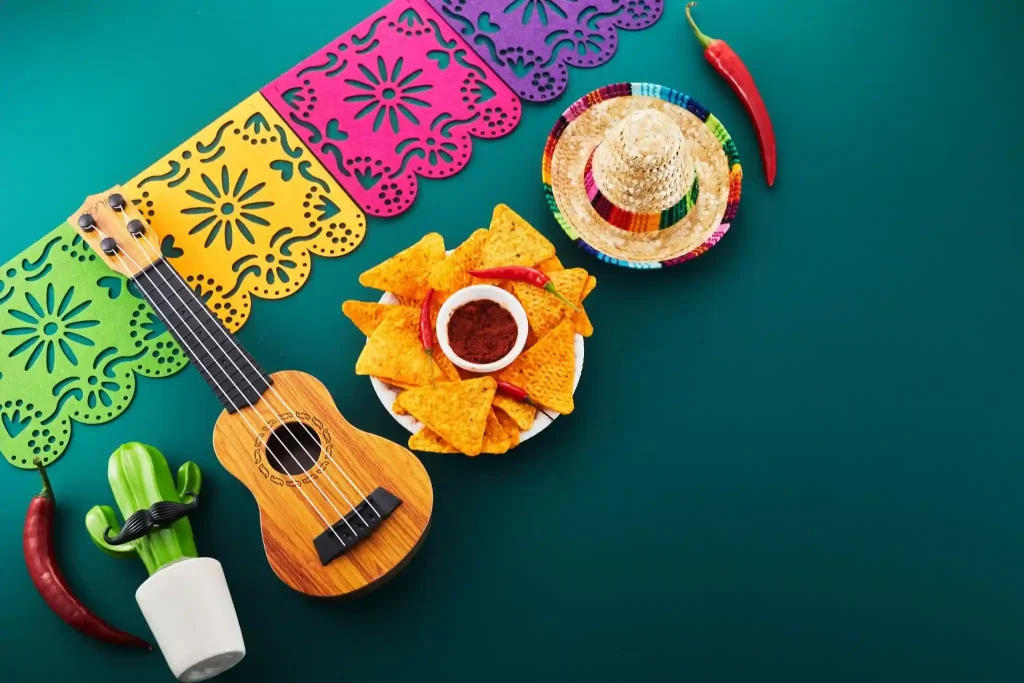
Staple dishes define the cuisine and attract repeat customers. For example, a Thai restaurant might be known for Pad Thai or green curry, while a Mexican eatery highlights tacos and enchiladas. These dishes become customer favorites because they embody the essence of the cuisine and are expected when dining at the establishment. Successfully balancing authenticity with local palate preferences can enhance popularity and customer satisfaction.
Fusion and Innovative Offerings
Some ethnic or specialty restaurants experiment with fusion dishes, blending traditional flavors with contemporary twists. These innovative offerings can quickly become popular by appealing to adventurous diners. For instance, a sushi burrito or Korean BBQ taco attracts customers seeking novel dining experiences while maintaining ties to traditional cuisine. Innovation paired with authenticity helps restaurants expand their audience and build excitement around their menu.
Cafés and Bakery-Style Establishments
Cafés and bakeries emphasize quick bites, beverages, and comfort foods. Popular menu items are often driven by convenience, seasonal trends, and social dining habits. These establishments thrive on repeat customers who visit for both daily essentials and indulgent treats.
Coffee, Tea, and Beverage Staples
Beverages are central to café popularity. Signature coffees, teas, and seasonal drinks attract regular patrons while reinforcing brand identity. Seasonal flavor variations, such as pumpkin spice lattes or iced summer teas, generate excitement and social sharing. Crafting a memorable beverage menu is often as important as food offerings for cafés, with popular drinks acting as anchors that bring customers back repeatedly.
Pastries, Sandwiches, and Light Meals
Bakery items, light sandwiches, and salads consistently rank among the most popular café menu items. Freshness, presentation, and variety play a key role in determining popularity. Items such as croissants, muffins, or gourmet sandwiches are often paired with beverages, driving overall sales. Offering a mix of classic staples and seasonal innovations ensures customers have both reliable favorites and new options to explore.
Conclusion
Popular menu items vary significantly across restaurant types, reflecting customer expectations, operational priorities, and dining trends. Quick-service restaurants focus on speed and familiarity with items like burgers, fries, and combo meals, often supplemented by limited-time offerings. Casual dining establishments emphasize comfort and variety, with core entrees, desserts, and specialty drinks leading the menu. Fine dining prioritizes creativity, presentation, and exclusive tasting menus, while beverage pairings play a key role in elevating the experience.
Ethnic and specialty restaurants highlight staple dishes that define their cuisine, sometimes blending traditional flavors with innovative twists to engage adventurous diners. Cafés and bakeries rely heavily on beverages, pastries, and light meals, balancing convenience, freshness, and seasonal trends.
Understanding the factors that drive menu popularity helps restaurateurs design appealing offerings, optimize operations, and maintain customer satisfaction. For diners, it provides insight into what to expect from different restaurant types. Across all segments, the most successful menus balance consistency, creativity, and strategic innovation to meet evolving customer preferences and ensure repeat visits.