Mexican cuisine is widely loved around the world, yet many people only experience a small portion of what it truly offers. Behind familiar dishes like tacos or enchiladas lies an incredibly diverse culinary landscape shaped by geography, culture, and centuries of tradition. The concept of regional Mexican specialties reveals just how rich and varied this cuisine truly is. Mexico is a vast country with deserts, mountains, forests, and coastlines. Each region grows different crops, raises different livestock, and follows distinct cooking traditions. These differences influence everything from ingredients and spices to cooking techniques and flavor profiles. Food in Mexico is also deeply connected to cultural identity. Families pass recipes from generation to generation, and communities celebrate festivals with dishes that reflect centuries of heritage. The result is a culinary tapestry filled with vibrant colors, bold flavors, and regional pride. Understanding how regional specialties differ across the country offers a deeper appreciation of Mexican cuisine. It reveals how history, nature, and creativity come together to create unforgettable dishes.
The Cultural Roots of Mexican Regional Cooking
Mexican cooking is rooted in thousands of years of cultural exchange. Long before European influence arrived, indigenous civilizations such as the Aztecs and Mayans developed rich food traditions based on local ingredients. Corn, beans, chili peppers, tomatoes, cacao, and squash were essential parts of their diet. These ingredients formed the foundation of what we now recognize as Mexican cuisine. Indigenous cooking methods included grinding corn with stone tools, steaming foods in banana leaves, and roasting ingredients over open fires.
When Spanish colonists arrived in the sixteenth century, they introduced new ingredients such as wheat, rice, dairy products, pork, and various herbs and spices. Rather than replacing indigenous cooking traditions, these influences blended together to create new regional dishes. Over time, trade routes and migration further expanded the culinary landscape. African, Caribbean, and even Asian influences found their way into certain regions of Mexico, adding even more complexity to local cuisines. This cultural layering explains why Mexican food is both ancient and constantly evolving.
Northern Mexico: Bold Flavors and Hearty Dishes
Northern Mexico is known for its rugged landscapes and strong ranching traditions. The region’s dry climate and open plains shaped a cuisine centered on livestock, grilled meats, and hearty meals. Compared with other regions, northern dishes often feature simpler seasoning and focus on high-quality ingredients. The emphasis is on bold flavors and generous portions.
Grilled Meats and Carne Asada Traditions
One of the defining characteristics of northern Mexican cuisine is its love for grilled meat. Ranching culture plays a major role in this tradition. Cattle farming has long been an important part of the region’s economy, which explains why beef appears frequently in local dishes. Carne asada is perhaps the most iconic example. Thin slices of marinated beef are grilled over open flames, producing smoky flavors and tender textures. The meat is often served with tortillas, grilled onions, and fresh salsa. Other grilled specialties include cabrito, which is roasted goat, and various cuts of beef cooked slowly over charcoal. These dishes reflect a culinary style that celebrates outdoor cooking and communal meals.
Flour Tortillas and Wheat-Based Dishes
While corn tortillas dominate much of Mexico, northern regions often rely on flour tortillas. Wheat grows more easily in the northern climate, making it a natural staple. Flour tortillas are larger and softer than corn tortillas. They are used for burritos, quesadillas, and wraps filled with grilled meats, beans, and vegetables. The combination of hearty meats and soft wheat tortillas creates dishes that are filling and deeply satisfying.
Central Mexico: A Fusion of Tradition and Innovation
Central Mexico is considered the heart of the country’s culinary identity. Major cities and historic towns have long served as cultural crossroads where different influences blend together. This region is famous for its rich sauces, diverse street foods, and complex flavors.
Street Food Culture and Popular Snacks
Central Mexican cities are famous for vibrant street food scenes. Vendors line busy streets offering freshly prepared dishes that locals enjoy daily.nTacos al pastor, for example, feature marinated pork cooked on a rotating spit. The meat is sliced thin and served with pineapple, onion, and cilantro on corn tortillas.
Other popular street foods include quesadillas filled with cheese or mushrooms, tamales wrapped in corn husks, and tlacoyos made from thick corn dough filled with beans or cheese. These dishes reflect a culture where food is not only nourishment but also social connection.
Traditional Sauces and Complex Flavors
Central Mexican cuisine is also known for its elaborate sauces. Mole is perhaps the most famous example. This sauce blends chili peppers, spices, chocolate, nuts, and herbs to create a deeply layered flavor. Preparing mole can take hours or even days because each ingredient must be roasted, ground, and balanced carefully. These complex sauces show how culinary artistry has become a central part of Mexican food culture.
Southern Mexico: Rich Spices and Indigenous Influence
Southern Mexico preserves some of the country’s oldest culinary traditions. Indigenous communities maintain cooking methods that have been used for generations. The region is known for vibrant spices, unique chili varieties, and traditional ingredients such as cacao and plantains.
Many dishes in southern states rely on stone grinding techniques that produce intensely flavored pastes and sauces. Traditional cooking often involves wrapping food in banana leaves and steaming it slowly to preserve flavor and moisture. This method is commonly used to prepare dishes such as tamales and regional stews. Southern cuisine is deeply connected to local agriculture and ancient traditions, making it one of the most authentic representations of Mexican culinary heritage.
Coastal Regions: Seafood and Tropical Ingredients
Mexico’s long coastlines provide abundant seafood and tropical produce. Coastal regions rely heavily on fish, shrimp, shellfish, and citrus fruits to create fresh and vibrant dishes.
Fresh Fish and Shellfish Specialties
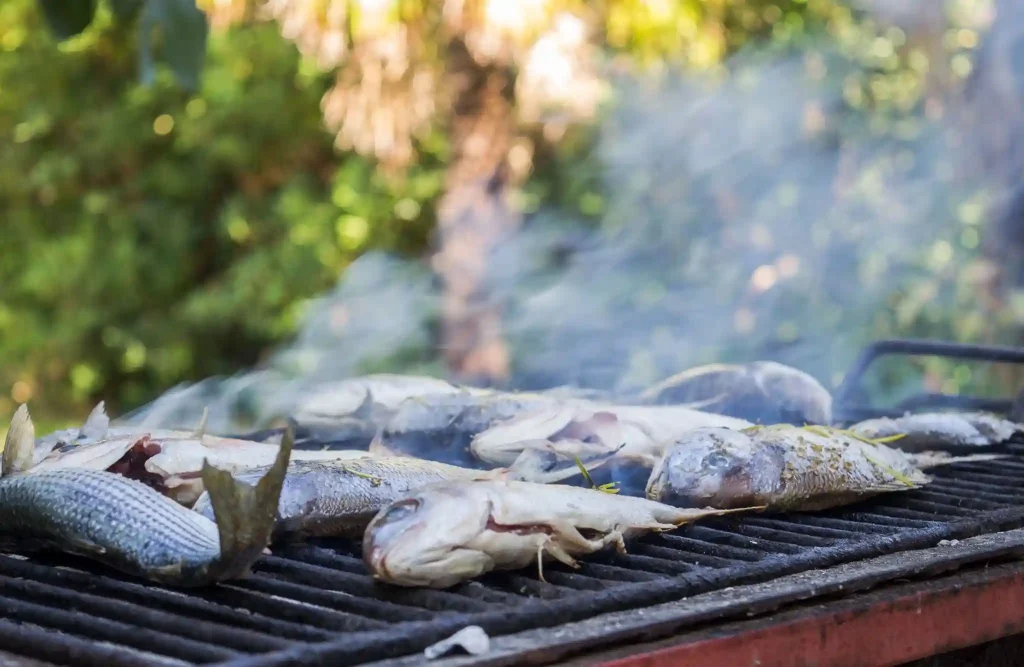
Seafood dishes vary depending on whether they come from the Pacific Ocean or the Gulf of Mexico. Grilled fish tacos, shrimp cocktails, and ceviche are among the most popular coastal specialties. Ceviche is particularly famous. Fresh fish is marinated in citrus juice and mixed with tomatoes, onions, chili peppers, and herbs. The result is a refreshing dish that captures the flavors of the sea.
Citrus, Coconut, and Tropical Flavors
Tropical fruits and ingredients also shape coastal cuisine. Lime, coconut, mango, and pineapple frequently appear in sauces and marinades. These bright flavors balance the richness of seafood and create dishes that feel light yet satisfying. The use of citrus also enhances freshness, making coastal Mexican cuisine one of the most vibrant culinary traditions in the country.
Regional Ingredients That Shape Mexican Cuisine
Ingredients vary widely across Mexico, and this variation is one of the reasons regional Mexican specialties are so distinctive.
Different types of chili peppers create unique spice levels and aromas
Corn varieties influence tortilla flavor and texture
Local herbs such as epazote and hoja santa add distinctive character
Fresh produce changes with regional climates
These ingredients allow chefs and home cooks to create dishes that reflect their local environment.
Cooking Techniques Unique to Regional Mexican Specialties
Traditional cooking techniques contribute significantly to the flavor of Mexican cuisine. Many methods date back centuries and continue to be used today.
Slow roasting over wood fires develops deep smoky flavors
Stone grinding releases oils and aromas from spices and seeds
Steaming in corn husks or banana leaves preserves moisture
Open-flame grilling adds char and richness
These techniques require patience and skill, but they create flavors that cannot easily be replicated with modern shortcuts.
The Role of Festivals and Traditions in Regional Cuisine
Food plays a central role in Mexican celebrations. Festivals, religious holidays, and family gatherings often feature special dishes that hold cultural meaning. For example, certain regions prepare elaborate moles for weddings and community celebrations. During seasonal festivals, families cook traditional meals that represent local identity. These traditions ensure that regional recipes continue to be preserved and shared with future generations.
How Regional Mexican Specialties Influence Global Cuisine
Mexican cuisine has gained worldwide recognition for its depth and creativity. Chefs around the globe draw inspiration from regional Mexican specialties when designing new dishes. Modern restaurants often reinterpret traditional recipes using contemporary techniques while maintaining authentic flavors. Mexican ingredients such as chili peppers, corn tortillas, and fresh salsas now appear in international fusion cuisine. This global influence demonstrates how regional traditions can inspire culinary innovation far beyond their place of origin.
Conclusion
Mexico’s culinary landscape is as diverse as its geography and history. Each region contributes unique ingredients, traditions, and cooking methods that shape its distinctive flavors. From the grilled meats of the north to the seafood dishes of the coast and the ancient traditions of the south, regional Mexican specialties reveal the richness of the country’s cultural identity. Exploring these regional differences transforms Mexican food from a familiar cuisine into an extraordinary journey of taste, history, and creativity. When people appreciate the diversity within Mexican cooking, they gain a deeper understanding of the culture and communities that bring these dishes to life.